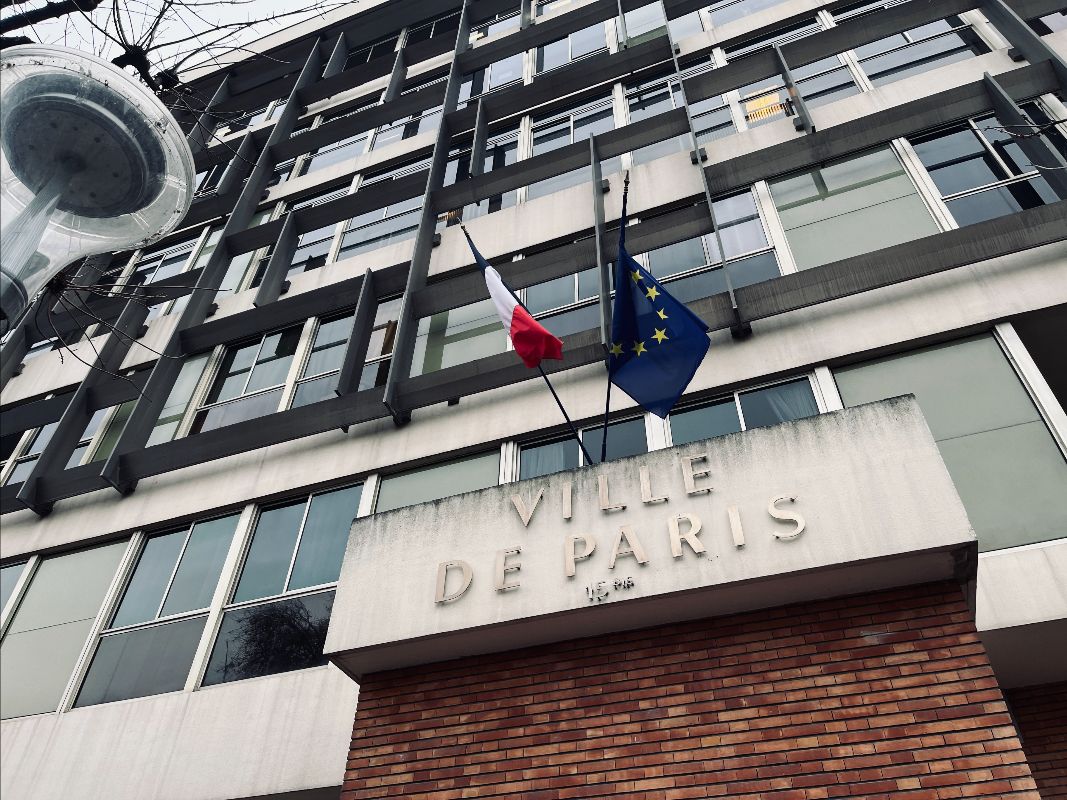
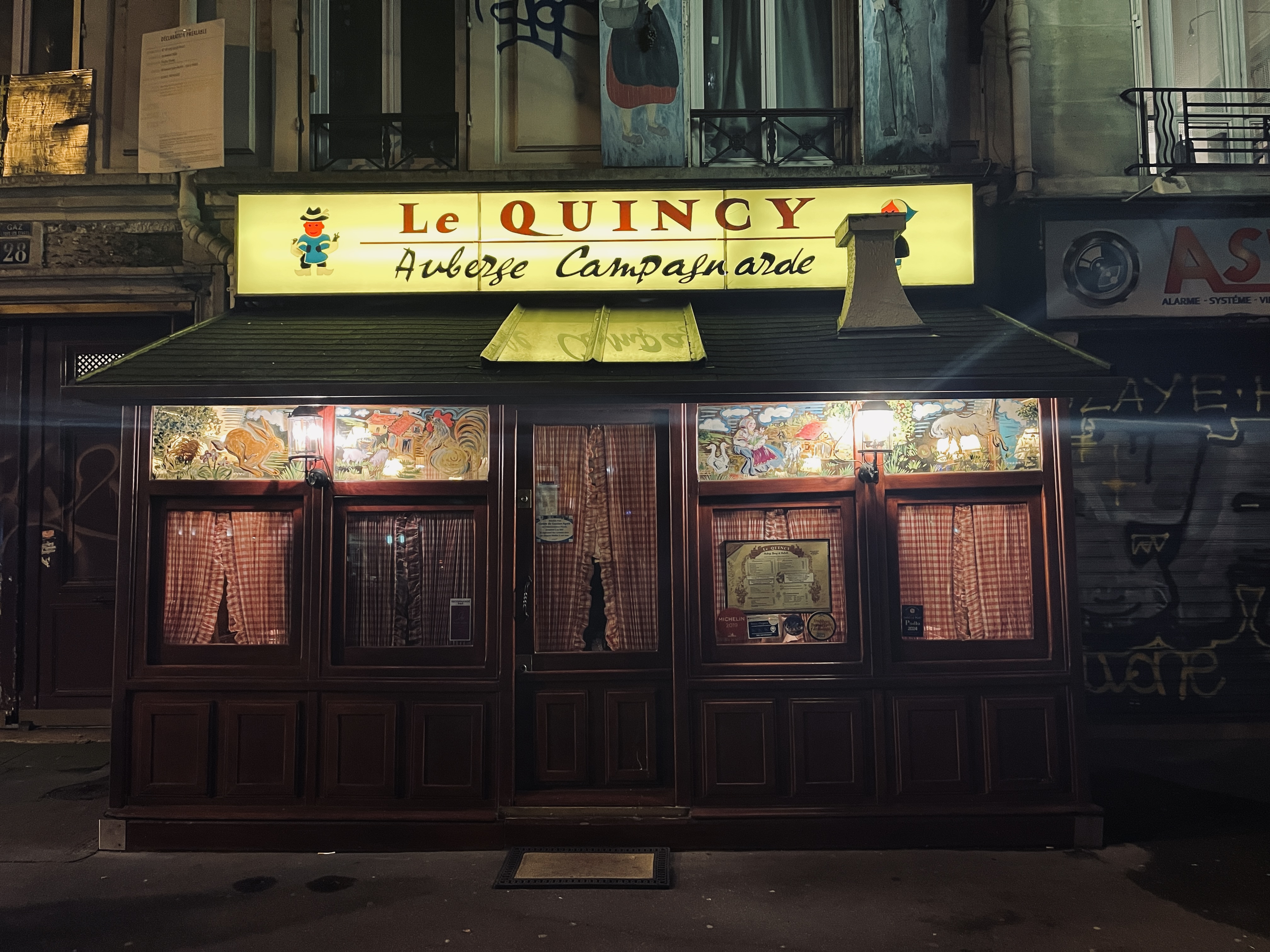
Paris. I never felt a connection to it. That first brief visit, now twenty years ago, left me unmoved. But recently, when ECV Paris invited me to be on the jury in their International Masters Program for Art Direction, I found myself seeing the city through a different lens.
I spent two sets of two days at ECV, first in December and then in January. The initial visit involved working with 18 international students on their dissertations. The assignment was open-ended - connect any topic back to design, broadly speaking. Their ideas were impressively diverse: analyzing media literacy in the social media age, examining the evolution of smoking and F1 advertising, questioning the relevance of handcraft in the digital age, and exploring how cooking and recipes shape our societies.

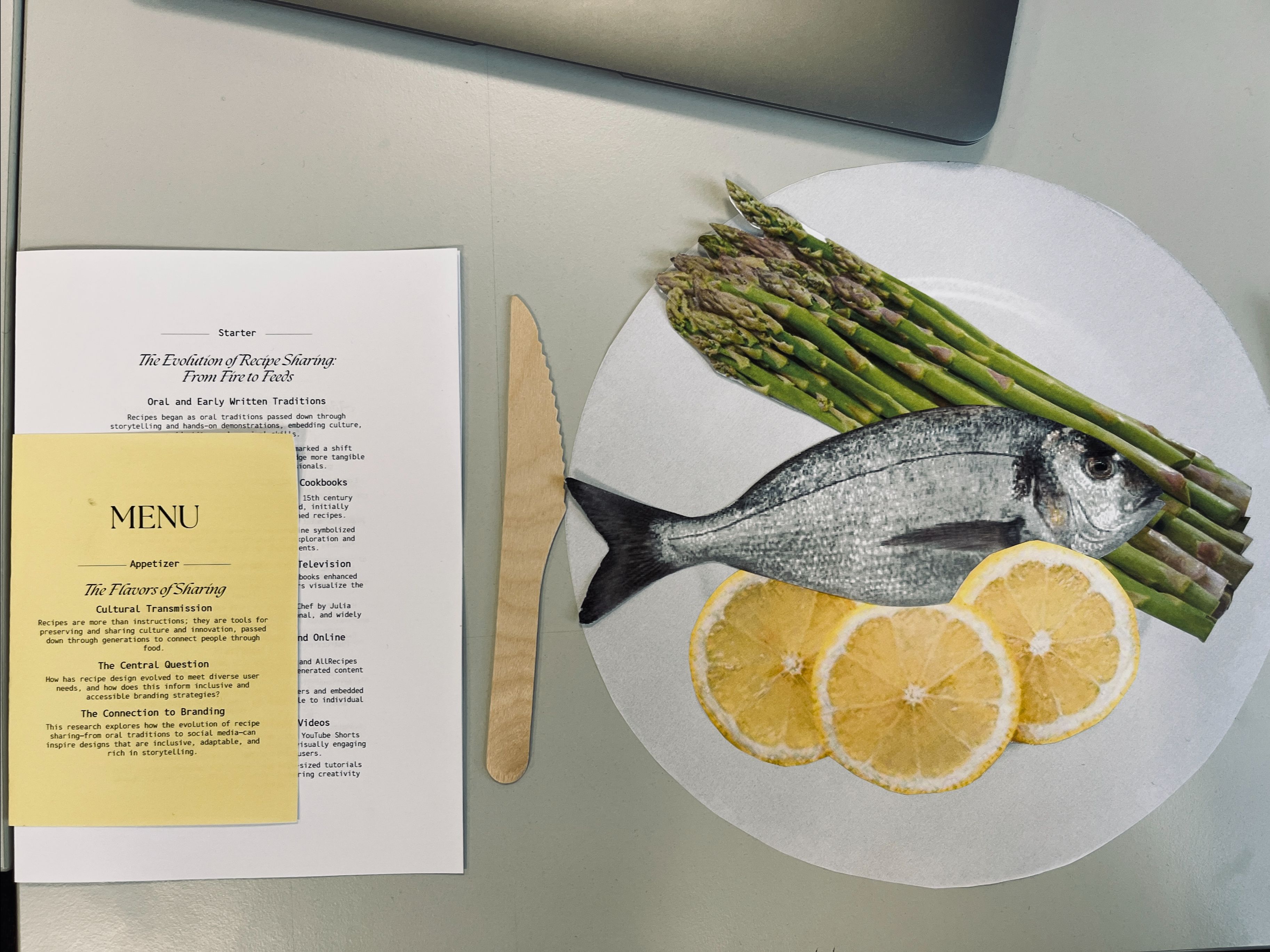
Teaching full-time isn’t for me. But I valued stepping away from client work to engage with students at the idea level, helping them give shape to their thoughts. During my second visit, each student had an hour to present their dissertation draft and plans for its physical or digital manifestation.
Today’s art school students are different from my generation. At 22 or 23, their knowledge and curiosity vastly exceeds what we had access to. It’s a double-edged sword: some grow complacent with constant access to information, while others skillfully navigate this stream, pulling references and techniques from everywhere to build something new. Their command of English and global awareness impressed me - I could sense their feeling of empowerment and possibility.
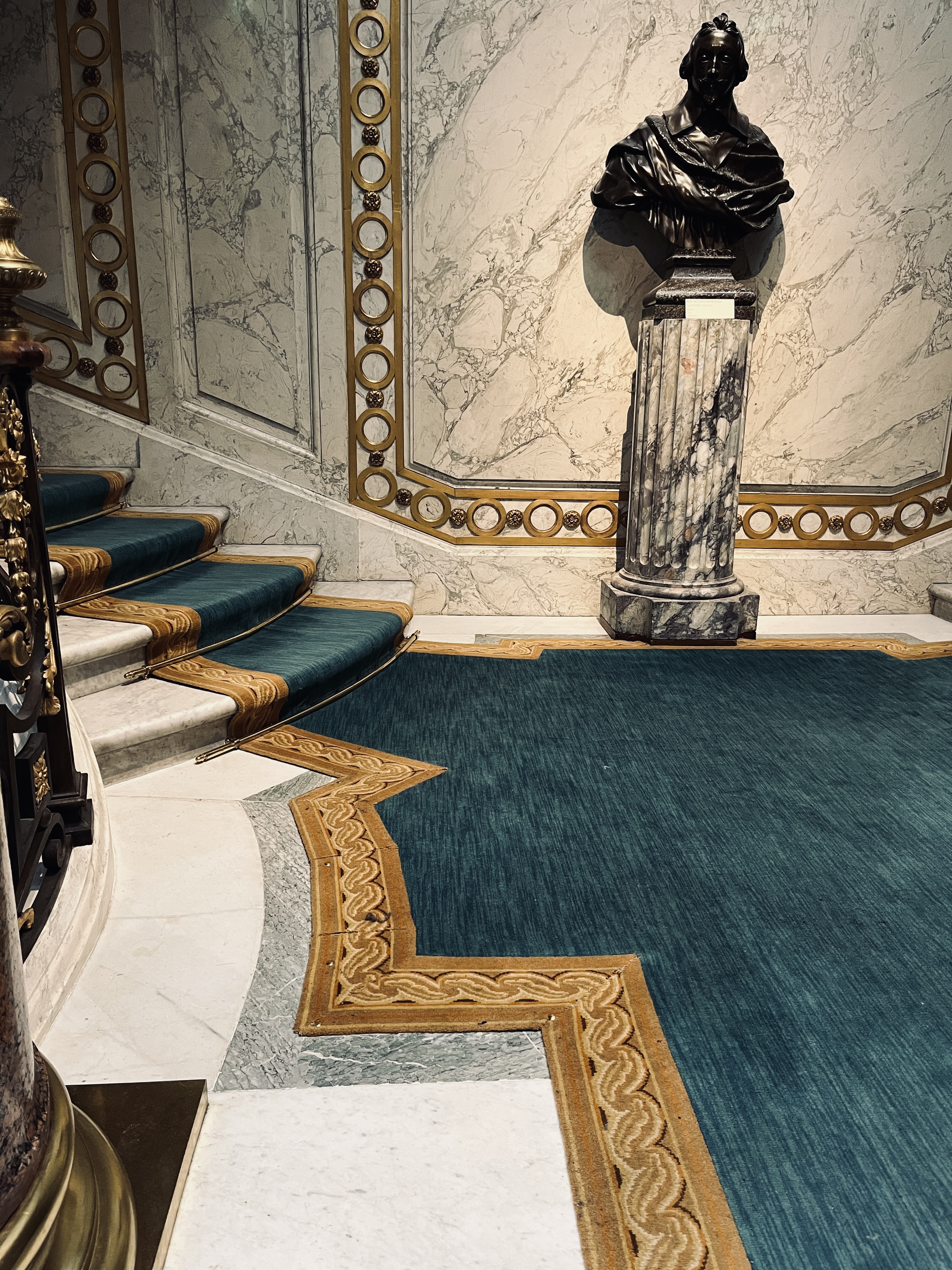
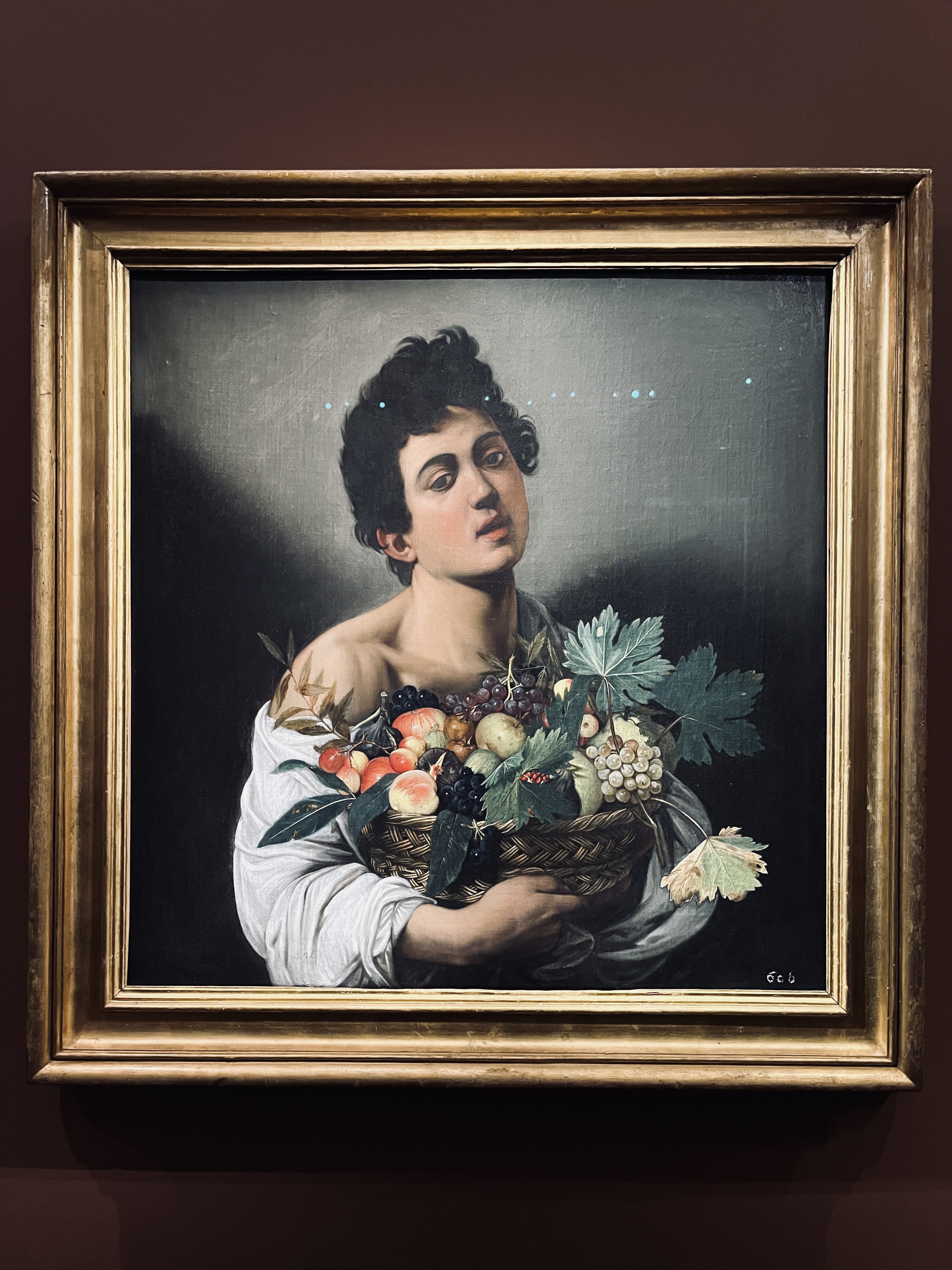

I stayed two extra days in Paris. Nina joined me Friday evening for Italian food in a small bistro. We finished our pizza, pasta, and wine just as they flipped on the closing-time lights. The next day took us to the Musée Jacquemart-André for an exhibition featuring forty masterpieces from Rome’s Borghese Gallery. A Caravaggio I hadn’t seen in person made it a priority, but the museum itself - a former private mansion on Boulevard Haussmann - deserved attention for its impressive 19th century architecture and remarkable interior.
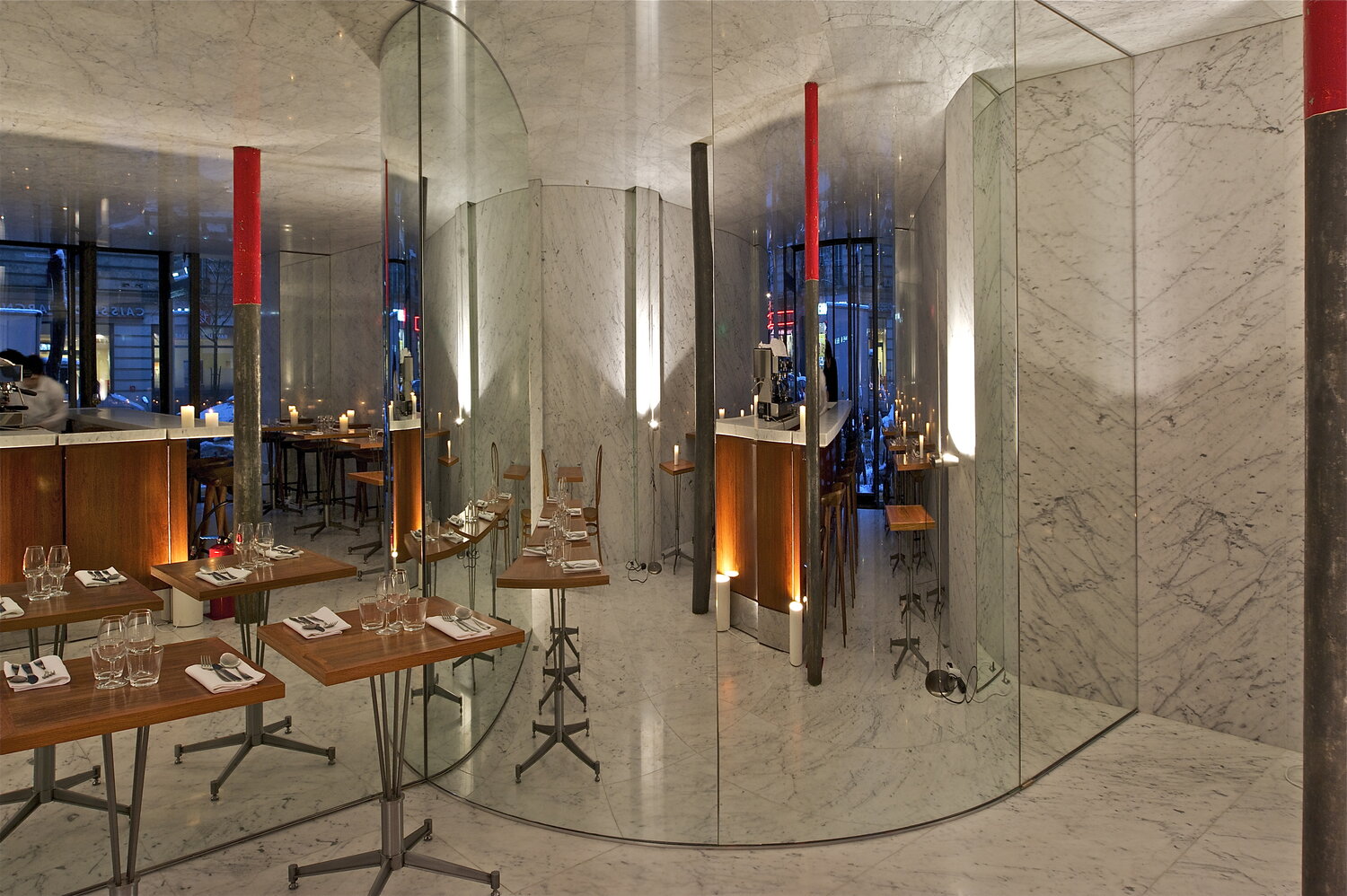
Le Dauphin drew us in through an interesting mix of architectural curiosity and culinary research. The restaurant’s interior, designed by Rem Koolhaas, contrasts beautifully with its unassuming exterior - which maintains the appearance of any old bistro storefront. Inside, marble and glass create a minimal design exercise, classic OMA with extreme attention to detail. Despite its sparse, clinical elements, the space feels surprisingly comfortable, thanks to extensive marble use and the staff’s easy-going attitude. You sense they’re a family, with many having worked there for years.
I’m typically skeptical of fine dining and Michelin stars, having faced disappointment at hyped establishments. Le Dauphin stands apart. They create unique experiences and flavors that surprise without shocking - including their remarkable sweetmeats.
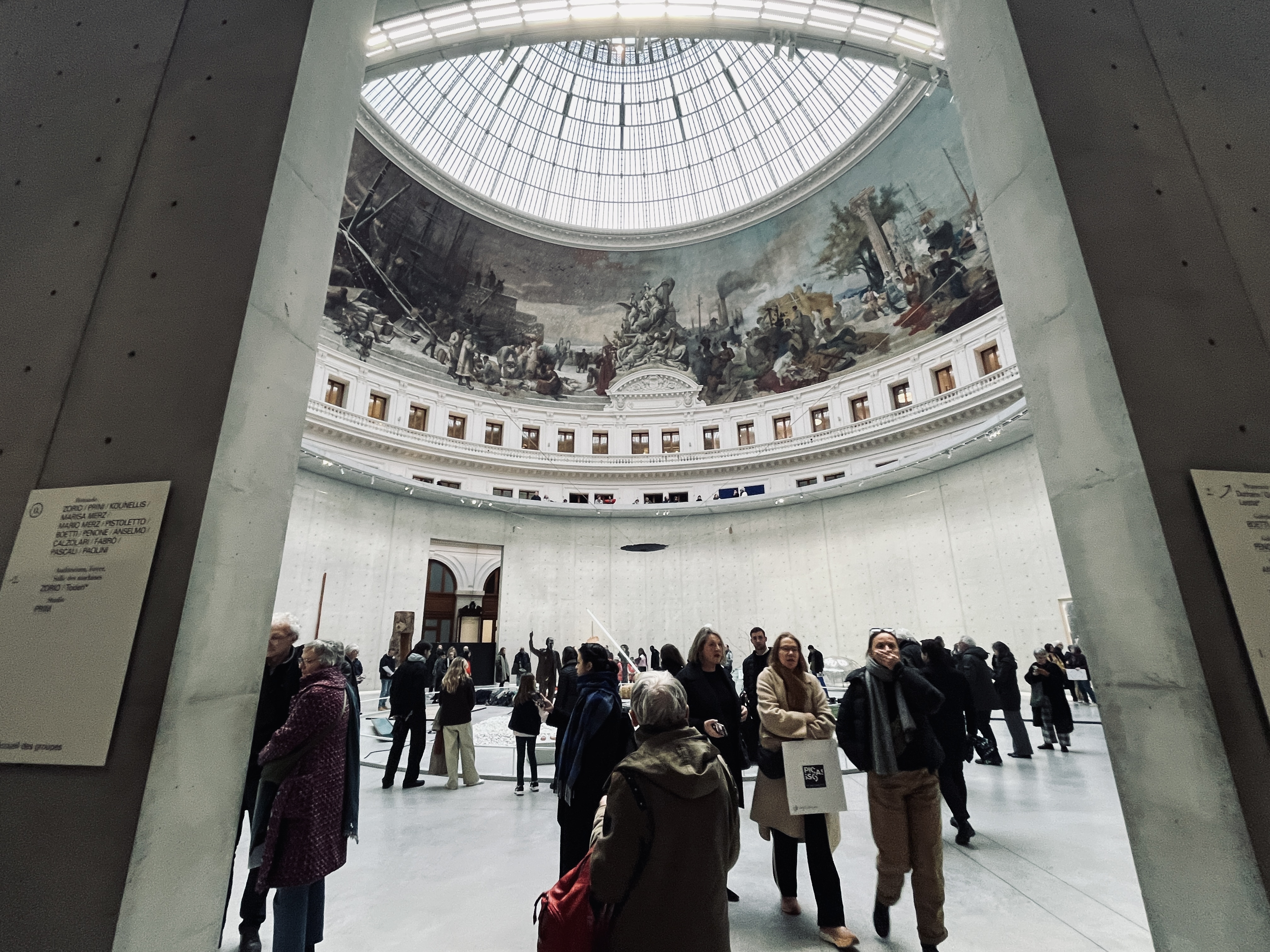

We rounded out the visit at the Bourse de Commerce, viewing an Arte Povera exhibition. The building itself, reopened in 2021 as a contemporary art space for the Pinault Collection, merits its own visit. Tadao Ando’s striking addition - a 30-foot-high concrete cylinder inside the former grain trading house - now serves as the main exhibition gallery. Seeing my reflection for the first time in some years in a Pistoletto piece and a last minute encounter with Ryan Gander’s mouse provided a fitting close to the trip.
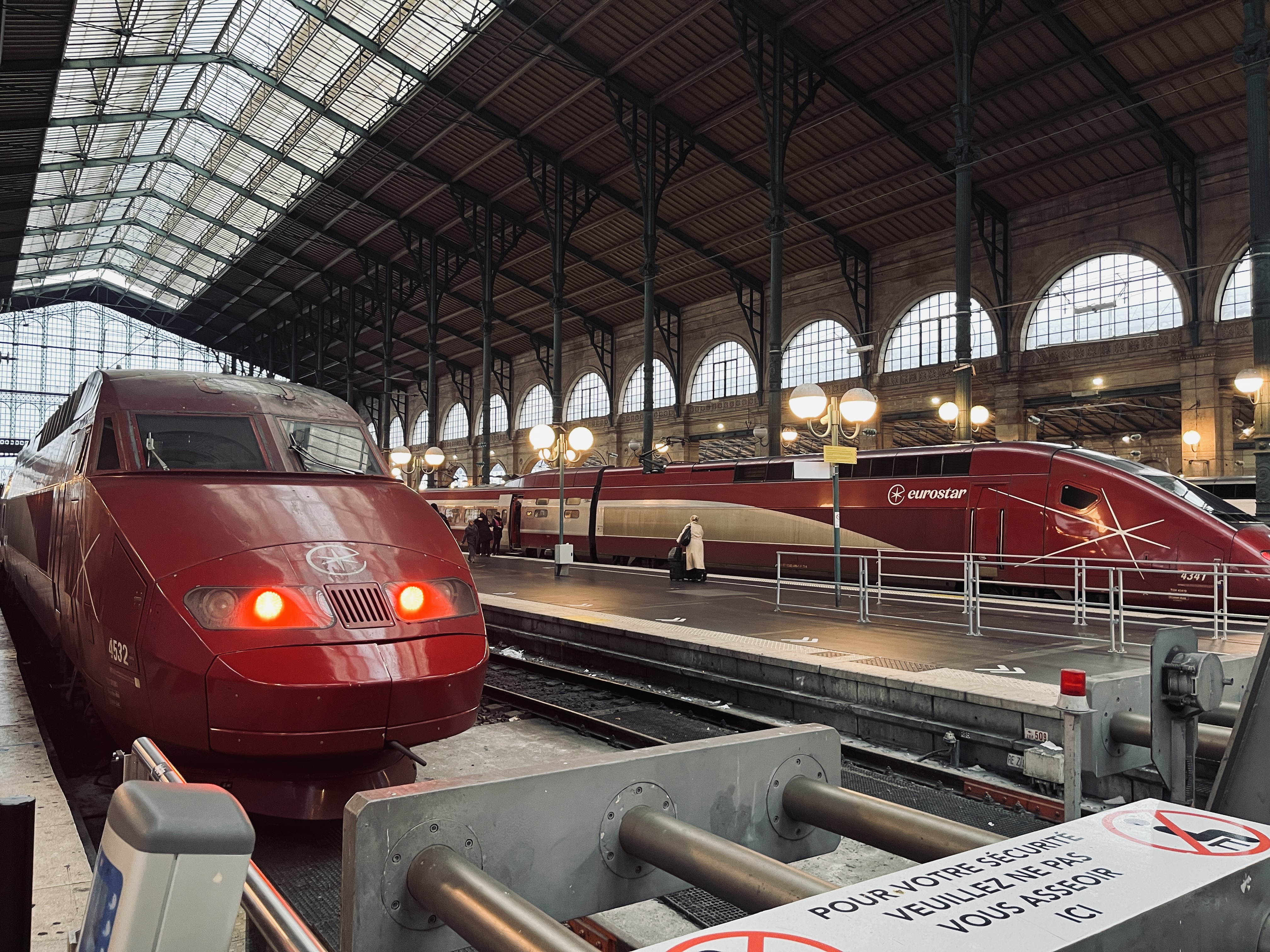
Looking back, I found myself wondering what made this visit to Paris different from all the others. Perhaps it started with breakfast with Didier, the program director of ECV. We sat in a crusty little bistro around the corner from the school, where 7.95€ bought you the quintessential Parisian breakfast - a croissant, a butter-smeared baguette, coffee, and fresh OJ. Or maybe it was discovering small details like the wall-mounted ashtray at the school, still used by students - an architectural remnant unimaginable in today’s US institutions. Then there’s what’s becoming our regular tradition: pre-Eurostar meals with Nina at Terminus Nord across from Gare du Nord. I’m beginning to find my rhythm in Paris, realizing that, as with most places, the real connection isn’t to the buildings or the food - they’re just props. It’s fully in-line with the new way I’m thinking about travel post-pandemic—it’s the people you interact with who create the story.
Also of Note
Odds on the Asteroid hitting Earth are Down
From NASA.
Seeing Art by Train
Not exactly practical or affordable (as I’ve said before and as a lover of train travel - it’s not competitive price or convenience wise). Some points I disagree with, but an interesting take nonetheless. READ.
Caravaggio Mystery Unravelling
I’ll go to see this painting in March. SEE.
American Democracy is Doomed
Despite the hyperbolic headline, some perspective and prescient warnings from Matthew Iglesias. Written in 2015. READ.
Until Next Time
As always, your support means a lot as I rebuild this connection with you. If you found value in this newsletter and want to encourage more, consider consider buying me a coffee. Many Thanks.